“Resurrection” revived at the American Theatre of Actors
Chills. Anne L Thompson Scretching’s Resurrection at the American Theatre of Actors left me with chills from the opening lines to the final bow. By the time the lights went down, I was genuinely surprised I could still feel anything at all. Led by a multi-award-winning writer and director, Resurrection returned for its third run at ATA, running from October 16-27, and delivered a stunning, emotionally raw experience. This show’s tangible depictions of individuals lost in the Tulsa Black Wall Street massacre are not only heartbreaking but also hauntingly powerful.
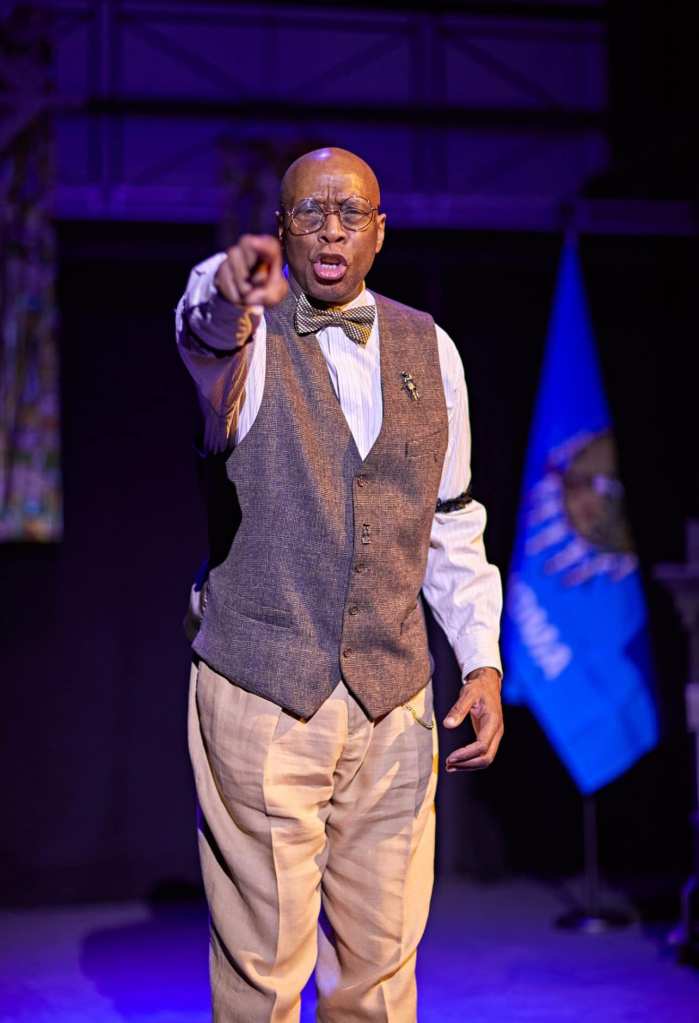
The show delves into the tragedy and the lives affected during the total destruction of Oklahoma’s Greenwood District led by the KKK following false accusations of a black man assaulting a white woman. Immediately, the audience is confronted with their ignorance of these historic events, with scripted audience interactions ensuring a certain level of captivity throughout the show. Each spirit shares their story in monologues so poignant they feel like personal encounters with the people who endured one of America’s most horrific acts of racial violence. The opening church scene sets the tone, as we meet a group of characters that embody the different perspectives of that time and place.
The main ensemble was an impressive group of versatile actors, each bringing their own stunning performance that enhanced the production’s energy without a weak link. Rommel Sermons as lawyer Oliver Porter brought a quiet power to the stage, balancing the dynamic group with a calm, assertive presence that reminded me of Brian Stokes Mitchell’s gravitas in Ragtime. Kevin Leonard, as the animated bootlegger Peter Holmes, added a contrast that made the ensemble scenes feel genuine and layered. Holmes, a complex character who juggles both vice and virtue, fit perfectly within the narrative’s moral struggles.
The leader of our show, Courtney Everette, delivered the role of Dr. Alan Jackson, as well as the narrator. Courtney guided us through endless twists and turns of the plot with a steady voice, grounding the often chaotic unfolding of events. His commanding presence and storytelling skills held the audience’s trust, making him the anchor of this 3+ hour show.
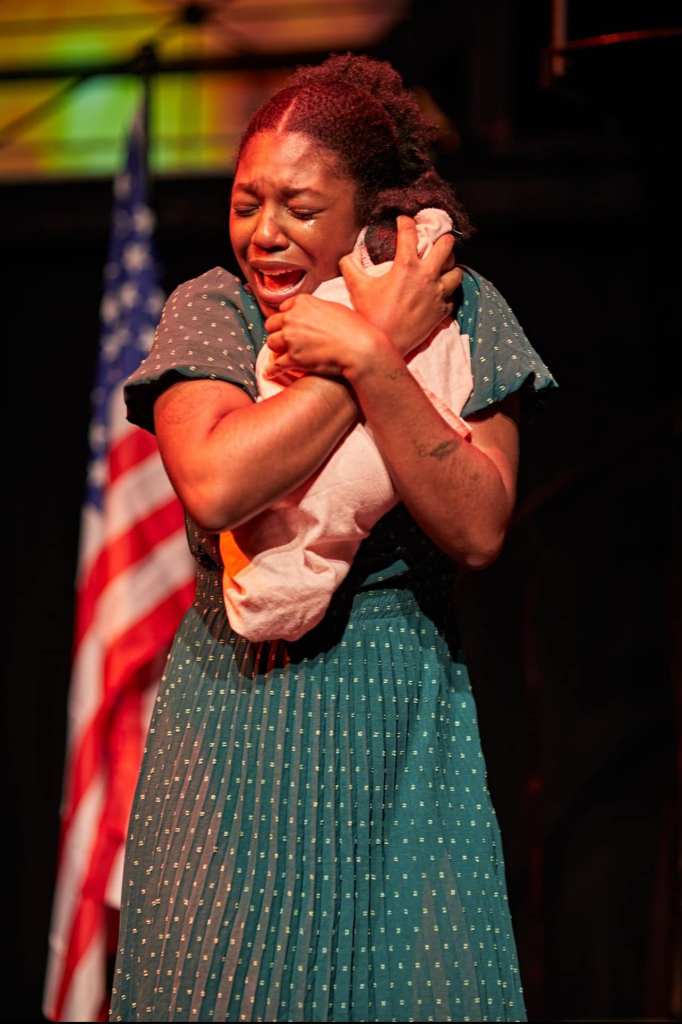
One standout was Sabyne Santiago as Bess, whose monologue brought me to tears. Her solo moment, which came early in the show, centered around a painful sacrifice that she was forced to make in her last moments. Themes of motherhood and loss ran deep through her story, evoking the weight of ethical debates around figures like Margaret Garner. Her performance was simply unforgettable and even after two more hours of showtime, her voice rang the loudest in my ears. Santiago’s young age made her mature and immersive performance even more powerful and, in my opinion, she is set to make waves as an actress.
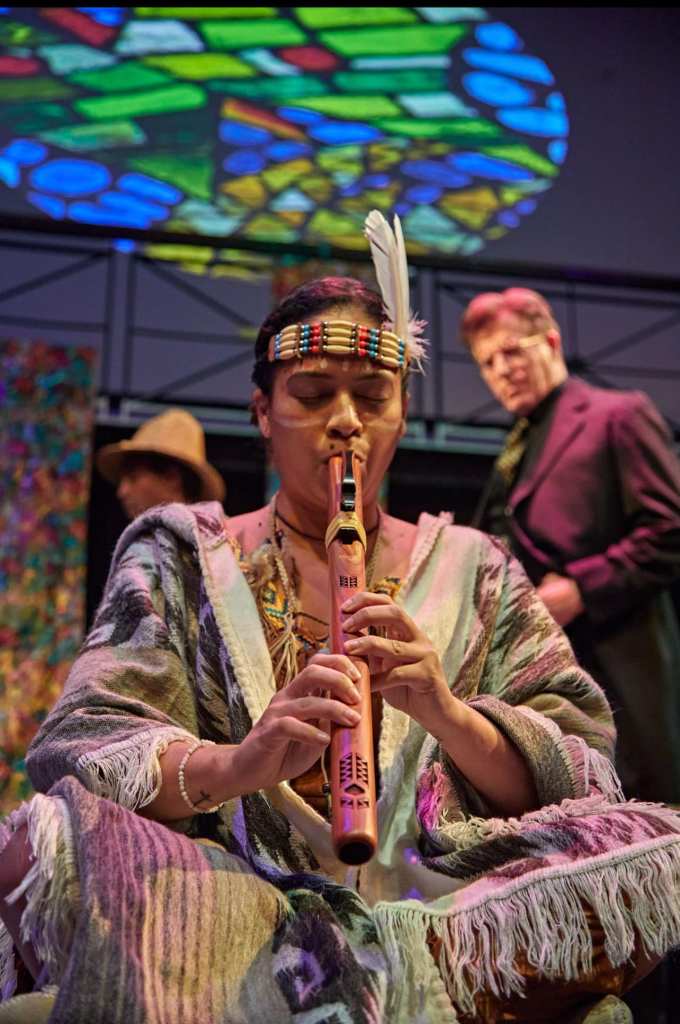
Other members of our church ensemble included Dave Hummel portraying Percy Simms and Daniel Korengay as Marcus. Percy, a white-passing Black man, delivered a monologue about his parents’ suffering that added layers to his character, though it did leave me wishing we had explored this earlier and more deeply. Marcus dreamt of elevating the community with a sublime French restaurant. His monologue tackles themes of faith, protest, and the nature of tragedy itself, offering a logical and grounding moment to balance the emotional weight of other stories.
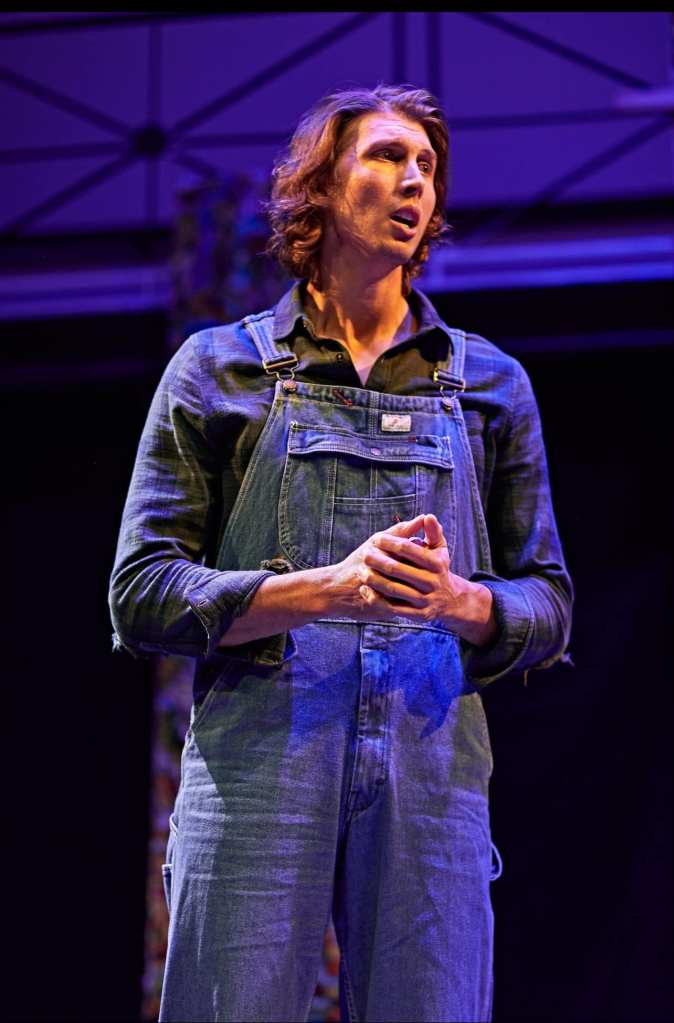
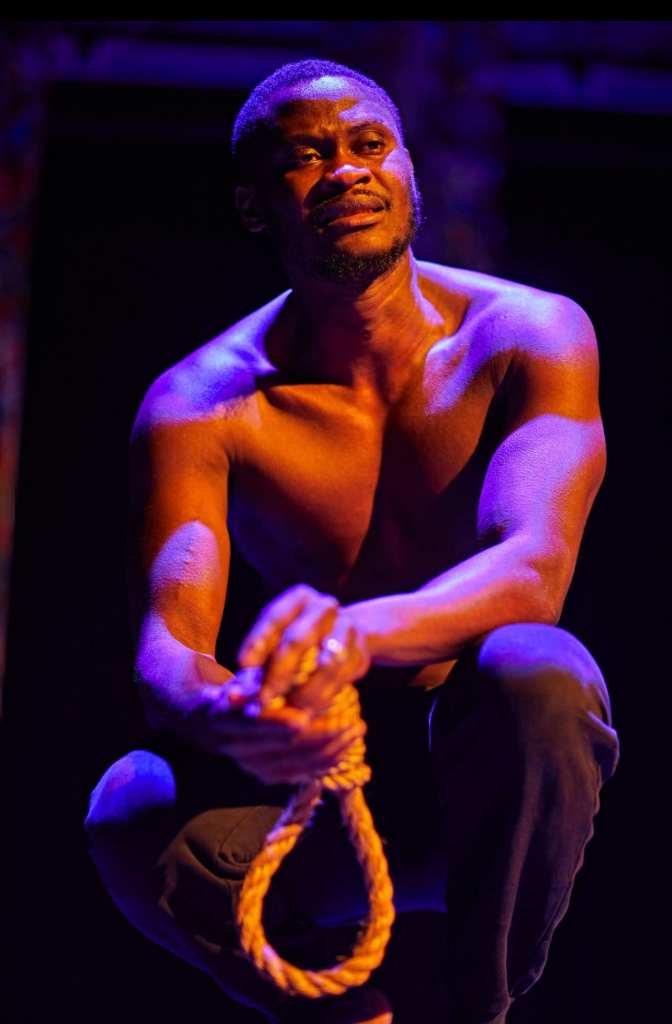
Finally, but first in the show, comes Ron Taylor. The accused man played by Momes Sesay, brought a palpable desperation to the role. His pleas for help in the opening scene were intense and heartbreaking. He also brought an effective tonal shift, signifying the beginning of these tragic events.
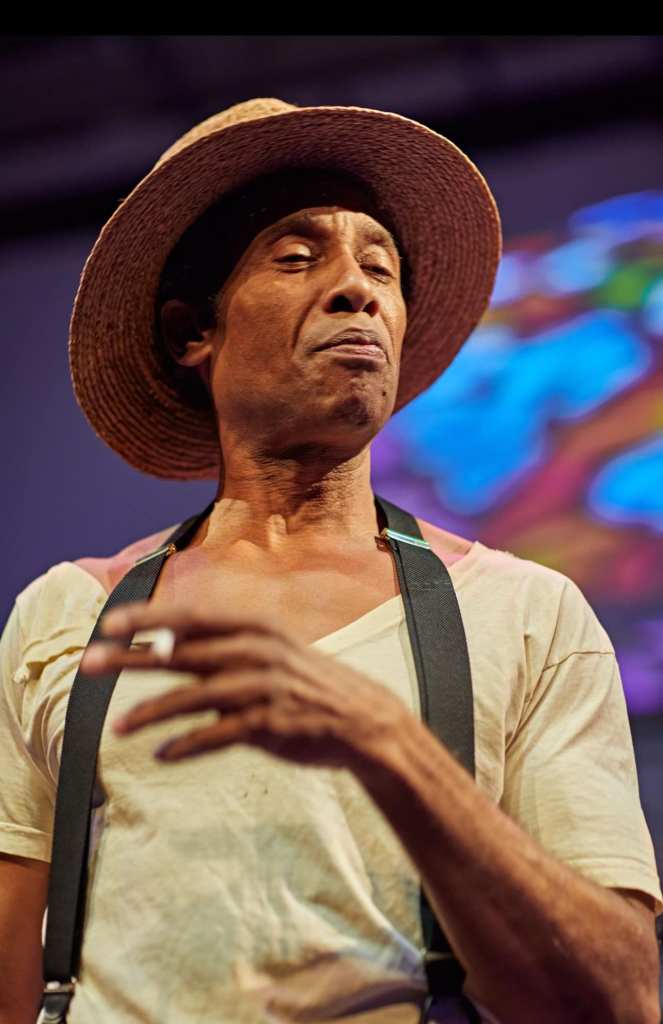
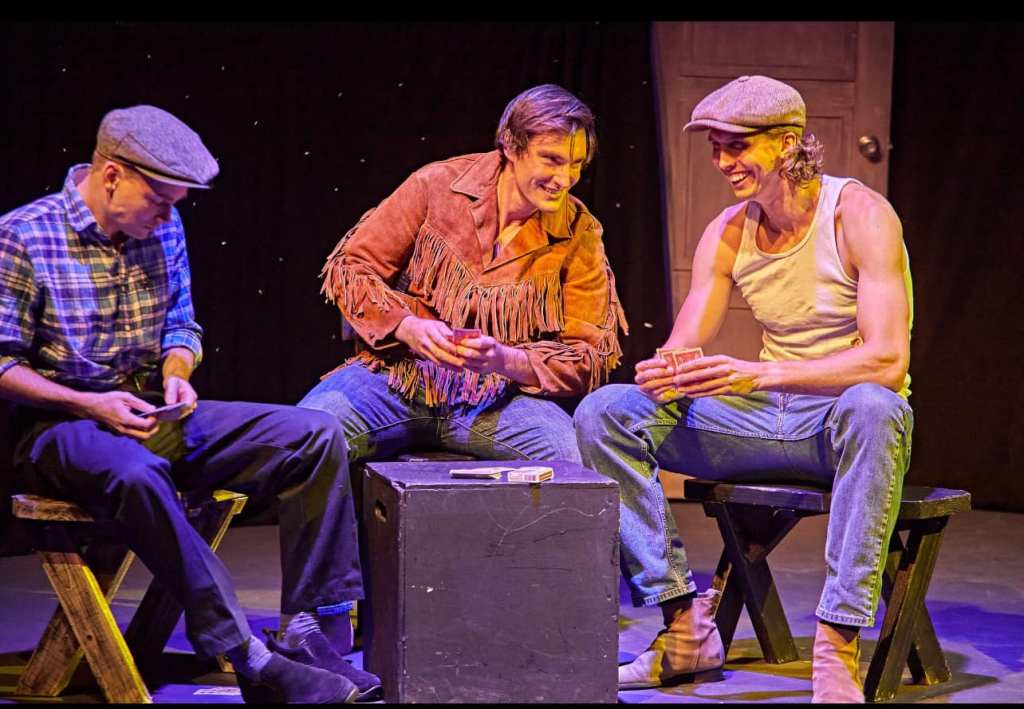
Anne’s direction shone through, especially in the depiction of the white men involved in the massacre. Travis Bergmann’s portrayal of Blue was chillingly powerful, leaving no room for denial concerning the hate and brutality that the black folks of Greenwood faced. Harry Cooke’s character, Poke, was the most reasonable of the antagonists, grappling with the conflict of being in love with a Black woman while feeling pressured to align with his race for fear of an impending race war. Andrew Boszhardt brought a desperate, raw quality to Willie Pool. His pleas for mercy in his dying scene perfectly captured the hypocrisy of these men, giving meaning to these uncomfortable scenes.
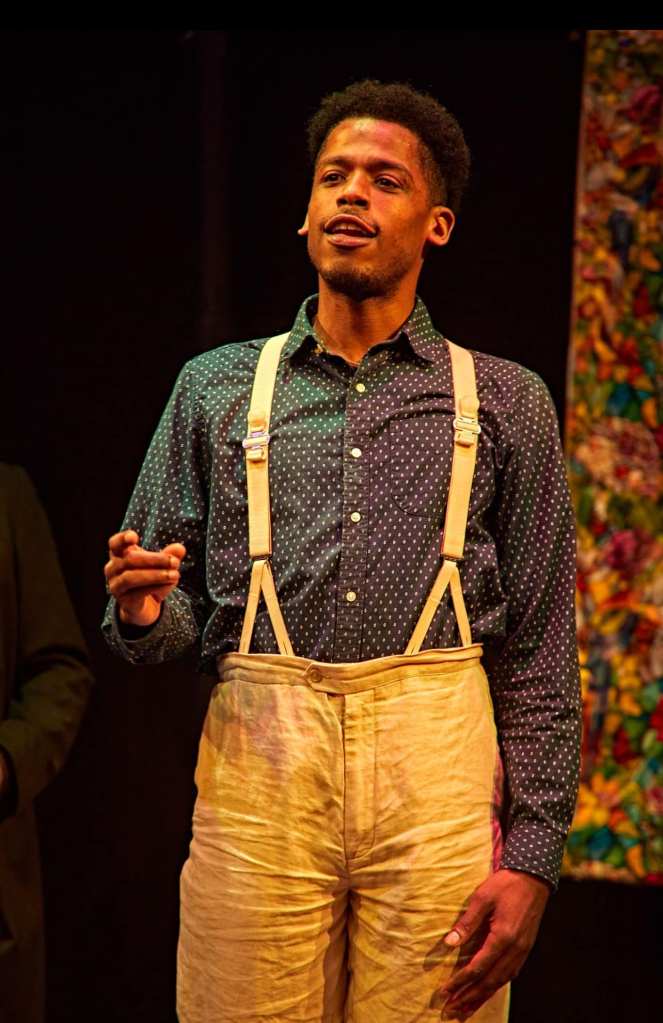
Andrew Boszhardt also shines as Ethan, the poor white farmhand who ultimately takes the life of his boss Dr. Percy under his family’s influence. Despite his towering stature, he powerfully portrayed a confused youth, allowing the audience to feel the turmoil of a character torn between his personal experiences and his family’s values. Ethan’s vulnerability and tragic naivety spiral into a monologue about pain and regret, speaking to Anne’s strategic and realistic writing. This scene underscored Resurrection‘s exploration of the destructive and cyclical nature of hatred and racism, making Ethan’s story linger long after the curtain fell.
The show wasn’t without its challenges. Late in the second act, the pace began to drag, and the final act’s courtroom scene lost some clarity. Characters like Carl, played by Dan Brown, and Lula, portrayed by Katie Trubetsky, seemed to appear without much background. However, this act still carried weight and succeeded in painting a realistic setting. Trubetsky brought an effective if exaggerated, flair to Lula’s character as we explored her entitlement, contradictions, and childhood traumas. It’s clear this was intentional on Anne’s part, a commentary on the way privilege intersects with trauma, which is visible in other characters such as Blue and Willie.
The night ended with a brief, tasteful acknowledgment of Anne who was sat in the front row watching over her masterpiece throughout the evening. Her supernatural storytelling and skilled cast direction gave life to more than the factual events, but the moral dilemmas and tragic themes that come naturally to a story such as this one.
Resurrection is a deeply compelling work that haunts you long after you’ve left the theater. This production is not only a testament to ATA’s standards but also a haunting reminder of the resilience of Black Americans. I’d recommend it to anyone who appreciates historical drama and has the emotional stamina to witness such a raw portrayal of racial violence and human spirit.


Leave a comment